
Product design leader
I'm Steve. I lead product design teams and build the systems they ship from.
I grew up building things with wood, concrete and metal. Now it's software, and I still like doing the work with my own hands.
I design in code, so what we design is what ships. Then I teach my team to work the same way.
- Design to production code
- I lead the system and build the front end myself, so engineers ship my components instead of rebuilding them.
- Design leadership
- I manage and mentor seven designers in India, Brazil and North America. They grow inside the systems I build and work better with Product and Engineering.
- 700M+ users
- At Dropbox I designed the support platform, and it had to work at that scale.
Here are five projects I worked on.
Each one covers the business problem, the call I made and what changed. They're behind a password because some of the work is under NDA. Ask me on LinkedIn and I'll send it.
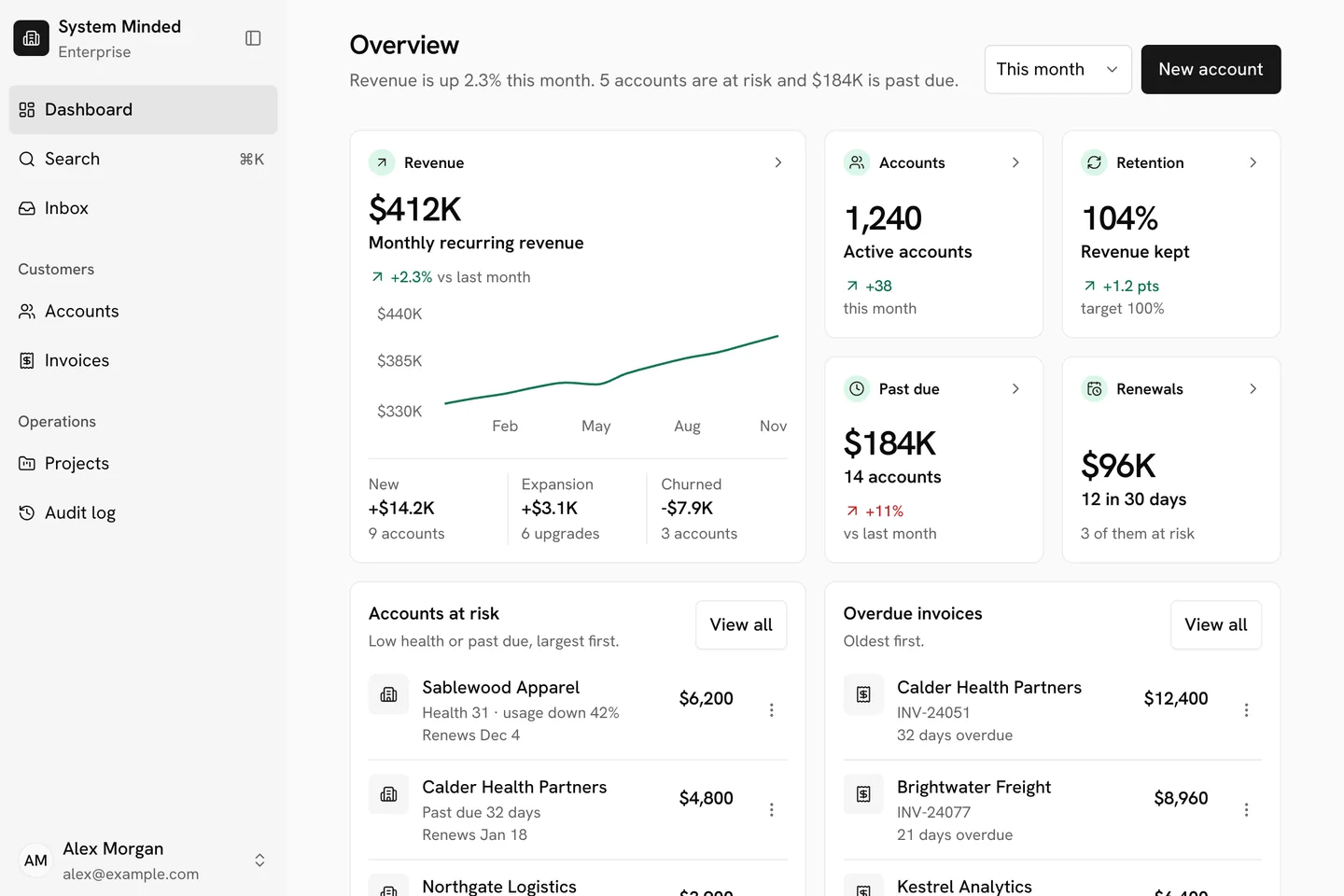
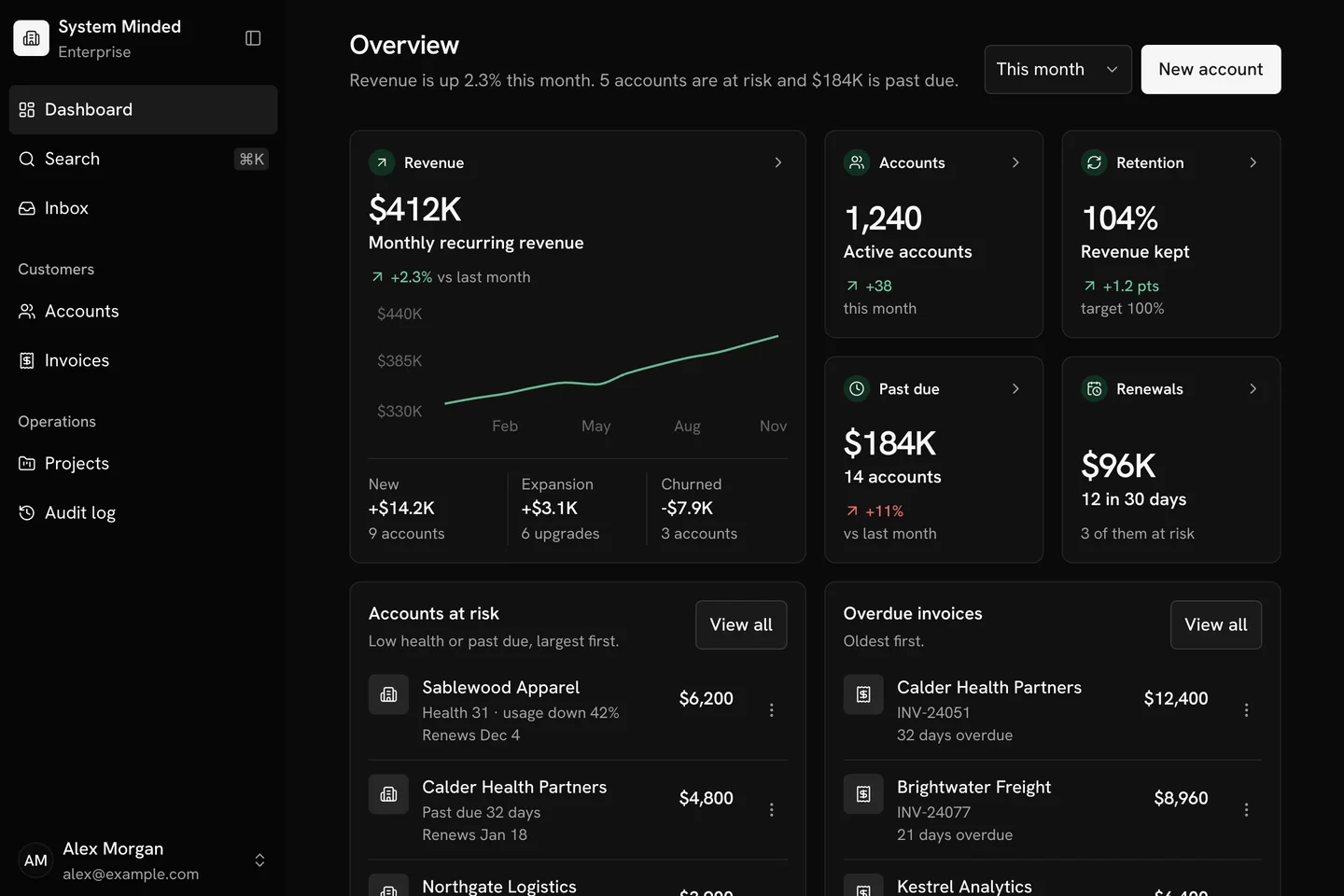
Platform Science · Design system, process and docs
AI is only as good as the system it runs in
I built the design system in code, with the process and docs around it. A component now takes an hour instead of weeks, then engineering approves it.
Case study, behind a password.Platform Science · Device management
I replaced thousands of configurations with one profile
Some of the largest fleets in North America had a support agent doing their setup. I made it self-service, and a profile now takes under 10 minutes.
Case study, behind a password.Platform Science · Marketplace
I built an app store that ends on the screen in the cab
I designed a new app store for fleets from scratch. It launched in mid-October 2026, and getting apps onto trucks went from days or weeks of installs to self-service checkout.
Case study, behind a password.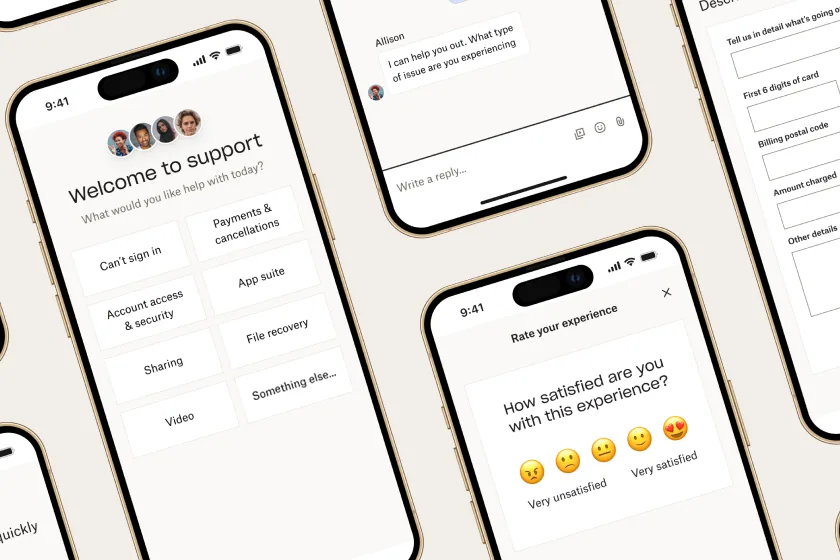
Dropbox · Lead product designer
I treated support as a product
Self-service support for 700M+ users. One to four questions lead people to the right article, and tickets went down after launch.
Case study, behind a password.Platform Science · Engine diagnostics
I ran design like an agency inside the company
For two years I ran design like an agency for a major engine manufacturer. Engine updates and health checks moved from a day in the shop to the back office.
Case study, behind a password.Here's how I work.
Here's what I'd do in my first 90 days with your team.
I start with the process, because everything gets built through it. Then the design system, then the docs.
I've always built things.
After wood, concrete and metal came graphic design, then product design, design systems and front-end code. The materials changed, and I kept building.
I've been a designer for twenty years, fifteen of them in product. Today I lead product design at Platform Science.
If your team needs a product shipped right the first time, let's talk.
If you have the password, open the case studies.